

Neurotology or neuro-otology is a branch of clinical medicine which studies and treats neurological disorders of the ear. It is a subspecialty ofotolaryngology-head and neck surgery, and is closely related to otology. Neurotologists are surgeons who have specialized in otolaryngology and then further specialized in neurological conditions of the ear, related structures, and lateral skull base surgery. It deals with vestibular (balance) diseases, such as Benign Paroxysmal Positional Vertigo (BPPV), Labyrinthitis, vestibular neuronitis, Ménière’s disease and Migraine associated symptoms.
Benign Paroxysmal Positional Vertigo
Benign paroxysmal positional vertigo (BPPV) is a disorder arising in the inner ear. Its symptoms are repeated episodes of positional vertigo, a spinning sensation caused by changes in the position of the head. BPPV is the most common cause of vertigo. Within the inner ear are calcium crystals known as otoconia or otoliths. In patients with BPPV, these crystals become dislodged and migrate into one of the semicircular canals.
Explore More →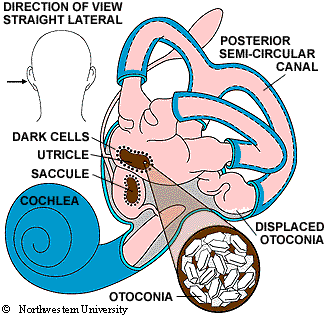
Meniere’s Disease
Ménière’s disease is a disorder of the inner ear that affects hearing and balance. It is characterized by episodes of vertigo, low-pitched tinnitus, and hearing loss. The hearing loss may fluctuate initially and later become permanent. The condition is believed to be associated with endolymphatic hydrops, an excess buildup of fluid in the inner ear.
Explore More →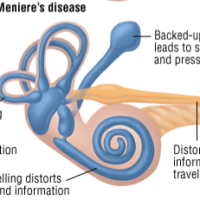
Sensorineural Hearing Loss
Sensorineural hearing loss (SNHL) is a type of hearing loss caused by damage to the inner ear, vestibulocochlear nerve, or auditory processing centers of the brain. SNHL can range from mild hearing difficulty to total deafness. Most cases are caused by abnormalities in the hair cells of the cochlea, although some involve the vestibulocochlear nerve or auditory regions of the brain.
Explore More →
Vertigo
Vertigo is a subtype of dizziness in which a person experiences the sensation of motion or spinning due to dysfunction of the vestibular system. It is often associated with nausea, vomiting, and balance problems that may affect standing or walking. Common causes include benign paroxysmal positional vertigo, Ménière’s disease, vestibular neuritis, labyrinthitis, concussion, and vestibular migraine.
Explore More →